AI-Powered HVAC Optimization: Cut Energy Bills Without Sacrificing Comfort
Nadia Al-Jaber
Building Energy & Operational Intelligence Analyst
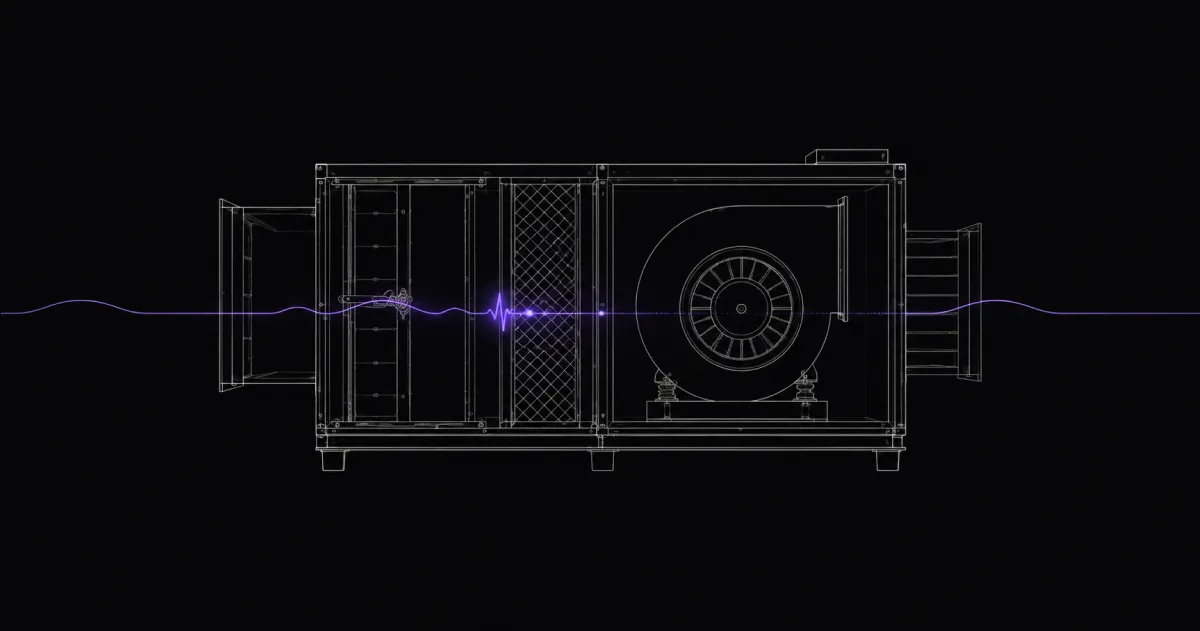
HVAC Accounts for 40 to 70% of Commercial Building Energy Use
AI-powered HVAC optimization uses machine learning to continuously adjust heating, cooling, and ventilation systems based on real-time occupancy, weather forecasts, and equipment performance,replacing static schedules with adaptive control. According to the American Council for an Energy-Efficient Economy (ACEEE, 2023), AI-optimized HVAC systems reduce energy consumption by 15 to 30% while maintaining or improving occupant comfort scores.
In Qatar's ASHRAE 0B climate zone, the stakes are higher than in temperate markets. HVAC accounts for up to 70% of total building energy load, not 40% as in northern climates. Chillers run near full load from May through October with outdoor temperatures sustained above 45°C. Static scheduling assumptions built for European or North American buildings fail completely under this load profile.
How AI Makes Thousands of Micro-Decisions Daily
Instead of following a clock, AI-driven HVAC control makes real-time decisions every few minutes based on:
- Occupancy signals: Empty conference rooms get immediate setback; approaching occupants trigger pre-conditioning
- Weather forecasts: Incoming humidity surge triggers pre-cooling and dehumidification staging
- Electricity tariff schedules: Peak-shaving by pre-cooling before Kahramaa peak-rate windows
- Equipment health: Adjusting load distribution away from degrading units automatically
According to Google DeepMind (2023), their AI-based HVAC optimization in data centers achieved 30% cooling energy reduction while maintaining all thermal safety parameters. The same principles apply to commercial office buildings at smaller scale.
Detecting Slow Efficiency Drift Before It Becomes Expensive
One of the least visible and most expensive HVAC problems is slow COP (Coefficient of Performance) drift, a gradual efficiency decline that accumulates over months and never triggers a threshold alarm.
In A.R.V.I.S.'s Marina Heights Tower simulation, the ABI engine tracked chiller plant COP across a simulated 4-month period. While the COP remained within nominal specification ranges, its rate of change relative to outdoor wet-bulb temperature was deteriorating at a rate inconsistent with normal seasonal variation. The engine raised an investigation advisory at week 14, not because a threshold was breached, but because the ML signal detected a drift pattern inconsistent with the building's learned performance curve.
A manual inspection would have found this drift at the annual service check, 8 to 10 months later, after the inefficiency had accumulated significant additional energy costs. Using actual Kahramaa commercial tariff structures modeled against an 8-chiller plant profile, a 4% COP reduction sustained over a peak cooling season represents approximately QAR 180,000 to 240,000 in avoidable excess energy cost.
Early Fault Detection Prevents Catastrophic Failures
Beyond energy optimization, AI continuously monitors HVAC equipment health. The ABI engine learns the normal operating signature of each motor, compressor, and fan,power draw curves, vibration patterns, thermal profiles,and detects subtle deviations that indicate impending failure.
According to BSRIA (Building Services Research and Information Association, 2022), early detection of HVAC faults through continuous monitoring reduces repair costs by 70 to 90% compared to run-to-failure approaches. A $10 fan belt replacement caught early avoids a $10,000 motor burnout caught late.
AI-powered HVAC optimization is one of the fastest payback investments in commercial building operations,reducing the largest energy line item while simultaneously extending equipment lifespan and improving occupant experience.
Want to see how A.R.V.I.S. handles HVAC optimization in practice? Request a demo.
About the author
Nadia Al-Jaber
Building Energy & Operational Intelligence Analyst
Nadia specializes in energy modeling, AI-driven building analytics, and operational intelligence for commercial real estate in the Gulf region. Her work focuses on translating raw BMS and sensor data into actionable operational decisions aligned with GSAS and Qatar Vision 2030 targets.
Frequently Asked Questions
Related Insights

Why Smart Building Technology Is the Foundation of Smart Cities
Buildings account for 40% of global energy consumption. Smart cities emerge when individual buildings become intelligent grid participants, not from top-down infrastructure projects.

How to Cut Building Maintenance Costs with Predictive Analytics
Predictive maintenance reduces costs by 25 to 30% and downtime by 70 to 75% according to Deloitte. Learn how AI eliminates both calendar-based waste and reactive emergency repairs.